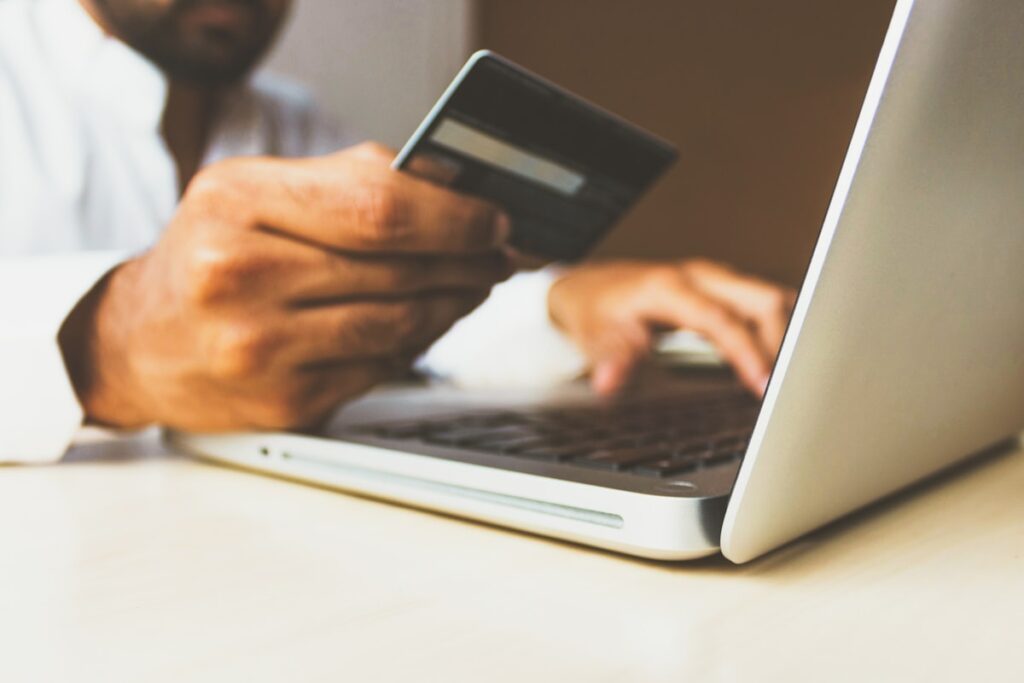
Online fraud and fake sellers are common concerns for secondhand shoppers in Kenya. This guide highlights the top warning signs of scam listings, safe meeting locations in Kenyan towns, and why you should never pay a deposit before seeing the item.
Why Safety Comes First in Online Commerce
Classifieds and marketplaces allow ordinary citizens to trade directly. While the vast majority of buyers and sellers are honest Kenyans, fraudsters sometimes try to exploit unsuspecting users. Following simple safety rules keeps your money safe.
Top Red Flags of a Secondhand Scam
1. The Unbelievably Low Price
If you see a latest iPhone or double door Samsung fridge listed for 10,000 Shillings when the market value is 60,000 Shillings, it is almost certainly a trap. Scammers use unrealistically low prices to create urgency.
2. Demands for Fuel, Courier, or Booking Fees
The most common trick is asking for a small M-Pesa deposit for delivery, fuel, or to hold the item because other buyers are coming. Once you send the money, the seller switches off their phone. Never send a deposit before inspecting the item in person.
3. Refusal to Meet in Public or Do Video Calls
Legitimate sellers have no problem showing the item over a live WhatsApp video call or meeting at a well known public landmark, shopping mall, or secure residential gate.
Best Practices for a Safe Transaction
Always meet during daylight hours. Bring a friend along when viewing bulky items at private residences. Test the item thoroughly. Once satisfied, send M-Pesa directly to the verified seller name.
Practical Tips for the Kenyan Market
When shopping for pre owned goods in Kenya, factor in transport logistics, electrical surge protection, and physical inspection. Always test appliances, furniture joints, and device functionalities thoroughly before completing payment on M-Pesa.
Dealing with verified local sellers or working with Rehome agents provides an extra layer of security, ensuring you get authentic value without unexpected repair costs.